
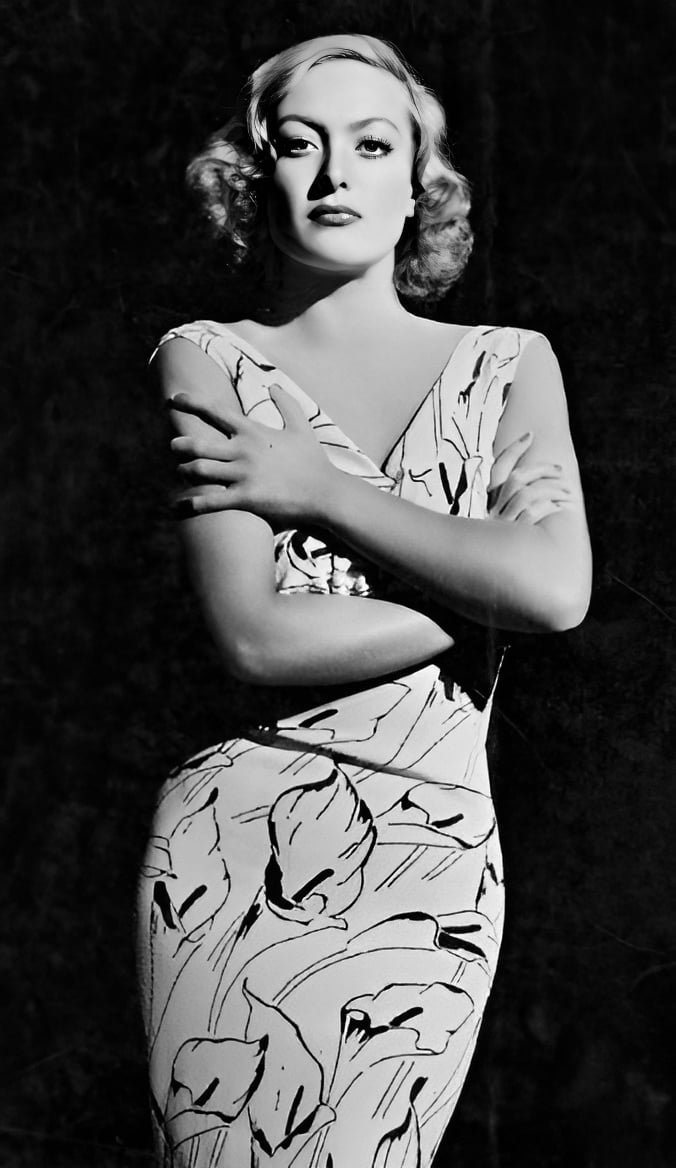



Joan Crawford
Also known as: Lucille Fay LeSueur
Personal
Body
About Joan Crawford
Lucille Fay LeSueur, born around March 23, 190-ish, later known as Joan Crawford, was a celebrated American actress. Her journey began on the stages of traveling theater troupes as a dancer, eventually leading her to the bright lights of Broadway. Metro-Goldwyn-Mayer recognized her potential and signed her to a film contract in 1925. Initially, she found the roles offered to be less than satisfactory in both scope and substance. Undeterred, Crawford initiated a deliberate public relations push, crafting an image of a fashionable and lively flapper that captivated the nation by the close of the 1920s.
As the 1930s unfolded, Crawford’s star power grew to rival that of her esteemed MGM contemporaries, Norma Shearer and Greta Garbo. Her characters often portrayed determined young women who successfully navigated hardship to find both love and financial security. These narratives of upward mobility resonated deeply with audiences during the Great Depression, particularly with female viewers. Crawford ascended to become one of Hollywood's most prominent leading ladies and one of the highest-earning women in the United States. However, the financial performance of her films began to decline, leading to her being labeled "box office poison" by the decade's end.
Following an almost two-year hiatus from acting, Crawford made a triumphant return to the screen with Mildred Pierce in 1945, a performance that earned her an Academy Award for Best Actress. In 1955, her life intertwined with the Pepsi-Cola Company through her marriage to its president, Alfred Steele. After his passing in 1959, she stepped into his vacant seat on the board of directors, though she was compelled to retire from the position in 1973. She continued to work in film and television throughout the 1960s, though her appearances became less frequent. After the release of the 1970 horror film Trog, Crawford retired from acting altogether. A widely publicized appearance in 1974, followed by the circulation of unflattering photographs, led her to withdraw from public life. She became increasingly solitary, maintaining this reclusiveness until her death in 1977.
Crawford was married four times; the first three unions concluded in divorce, while her final marriage ended with the death of her husband. She adopted five children, though one was ultimately returned to their birth mother. The relationships Crawford had with her two elder children, Christina and Christopher, were strained and fraught with conflict. She ultimately disinherited both of them. Following Crawford's death, Christina published the candid memoir Mommie Dearest, detailing their difficult relationship.
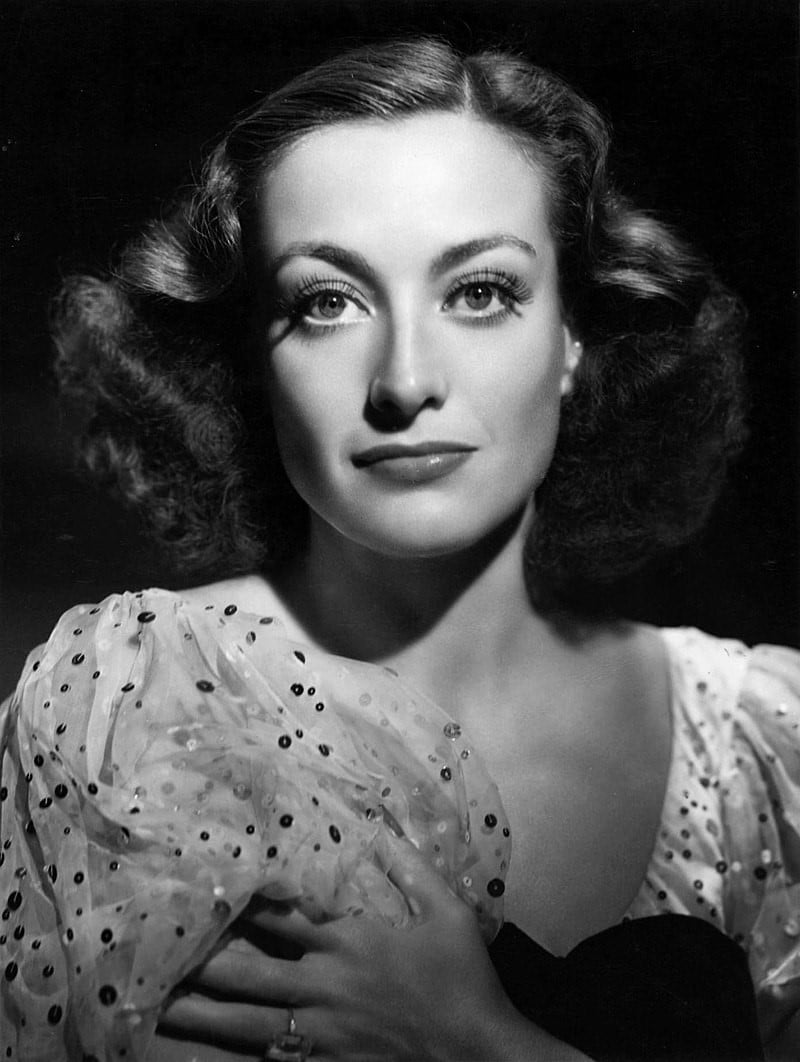
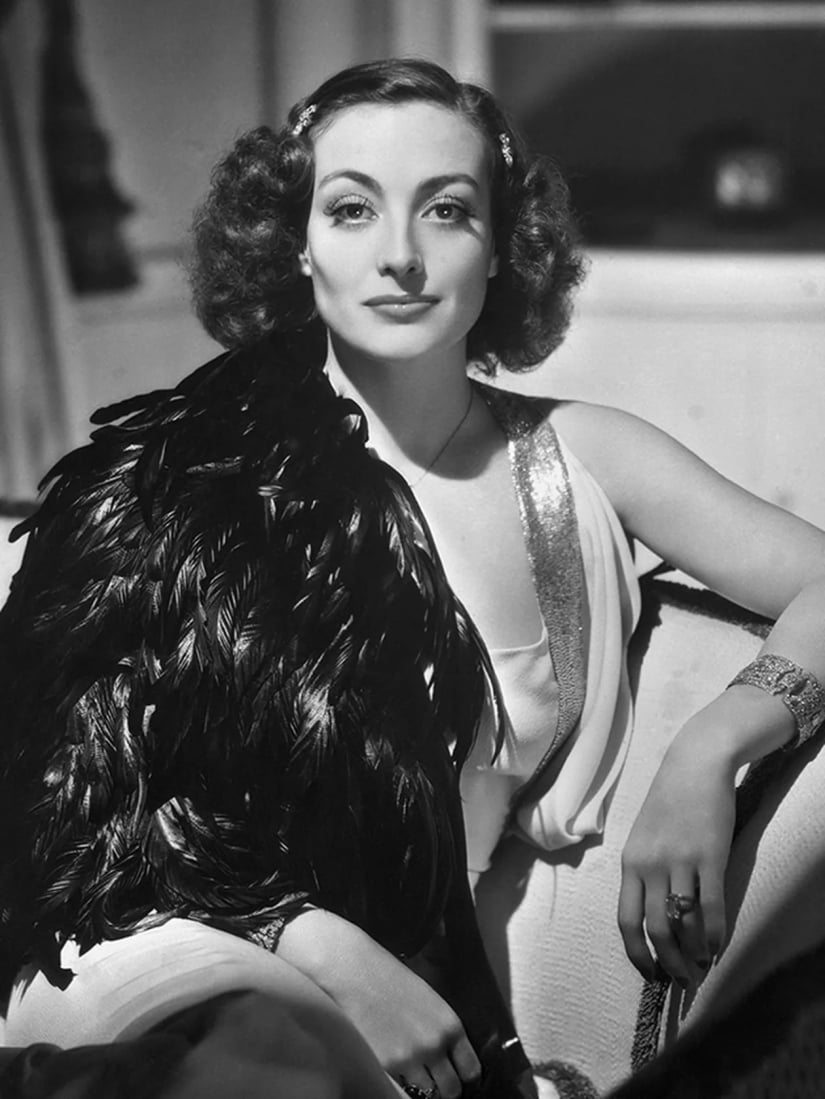
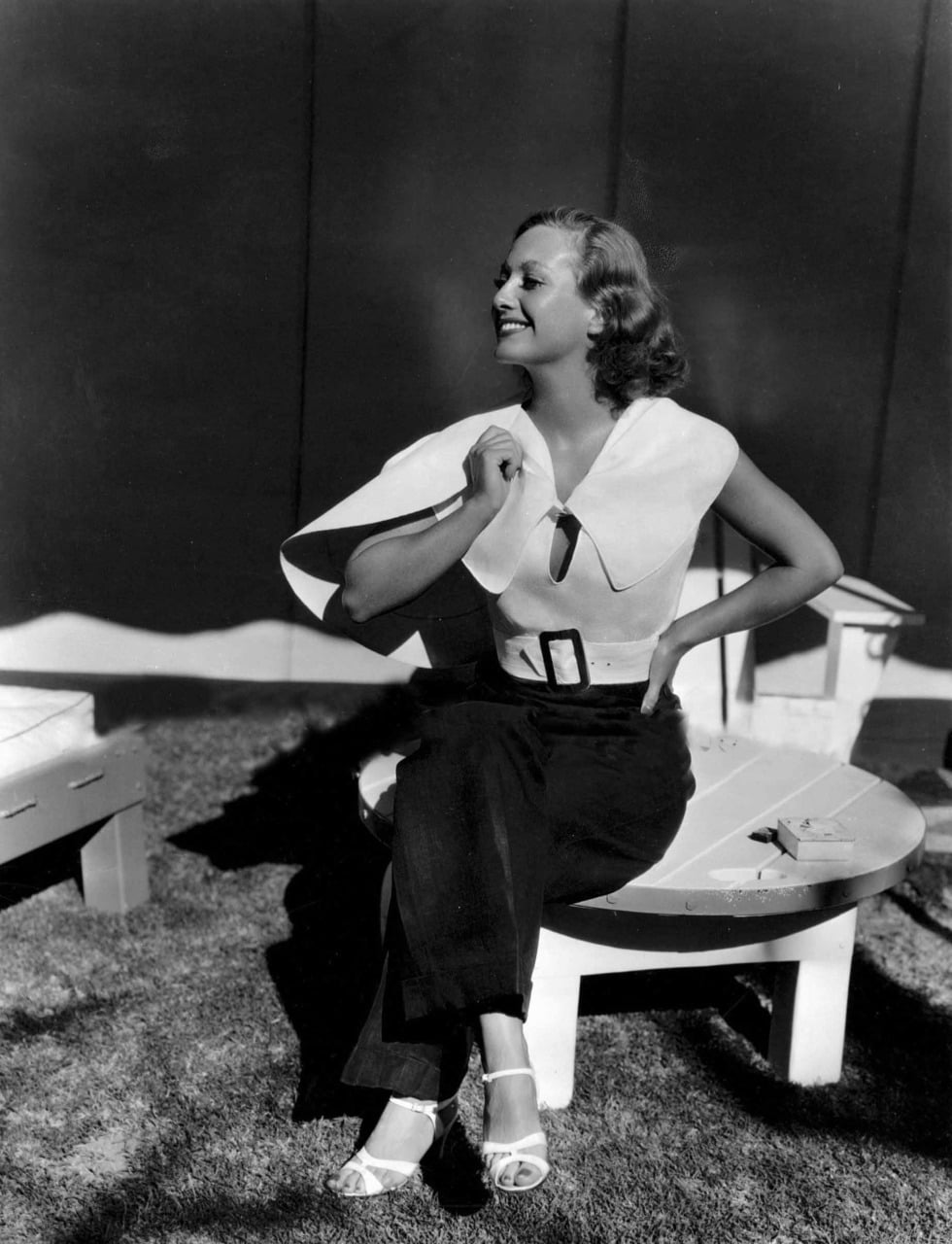
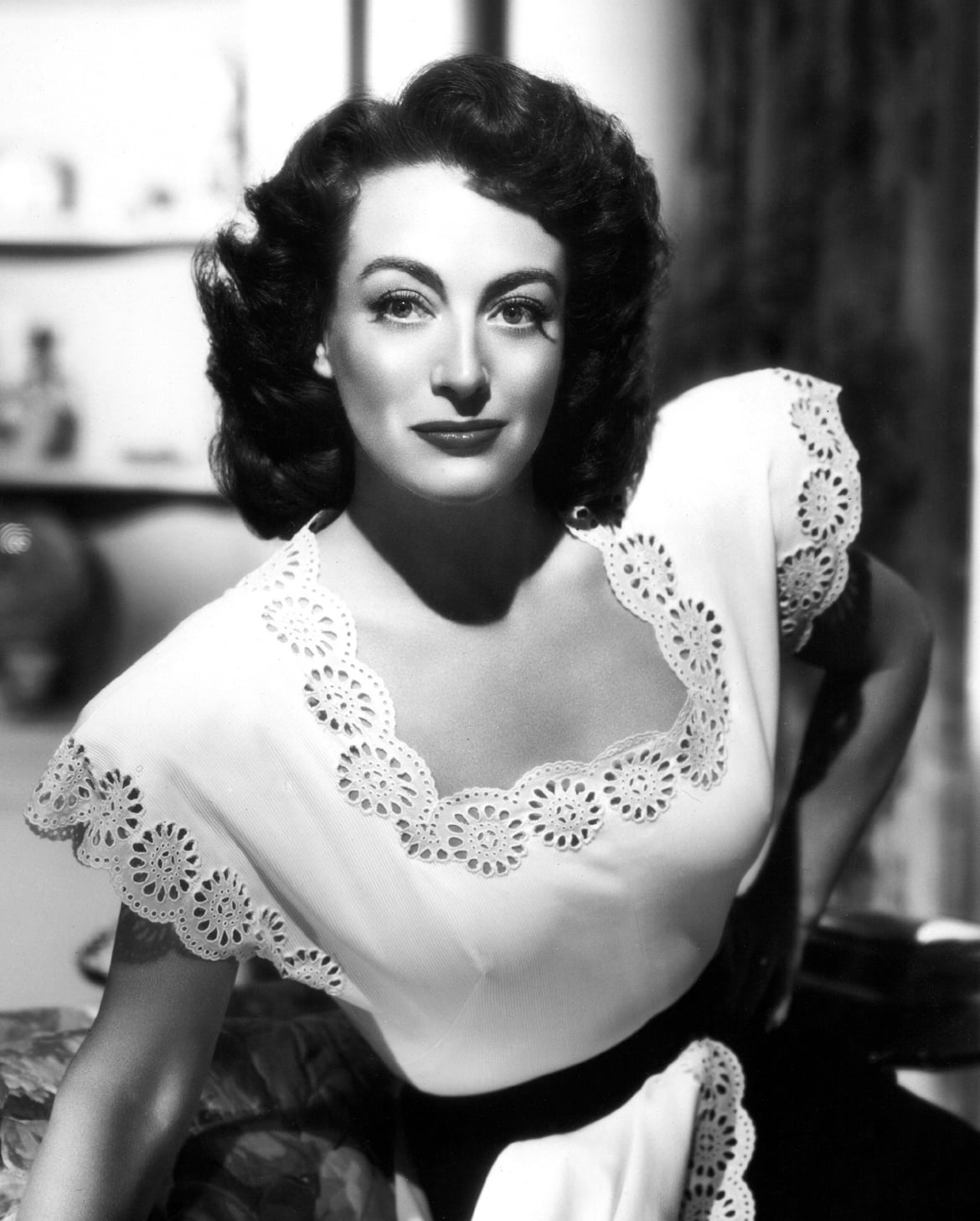
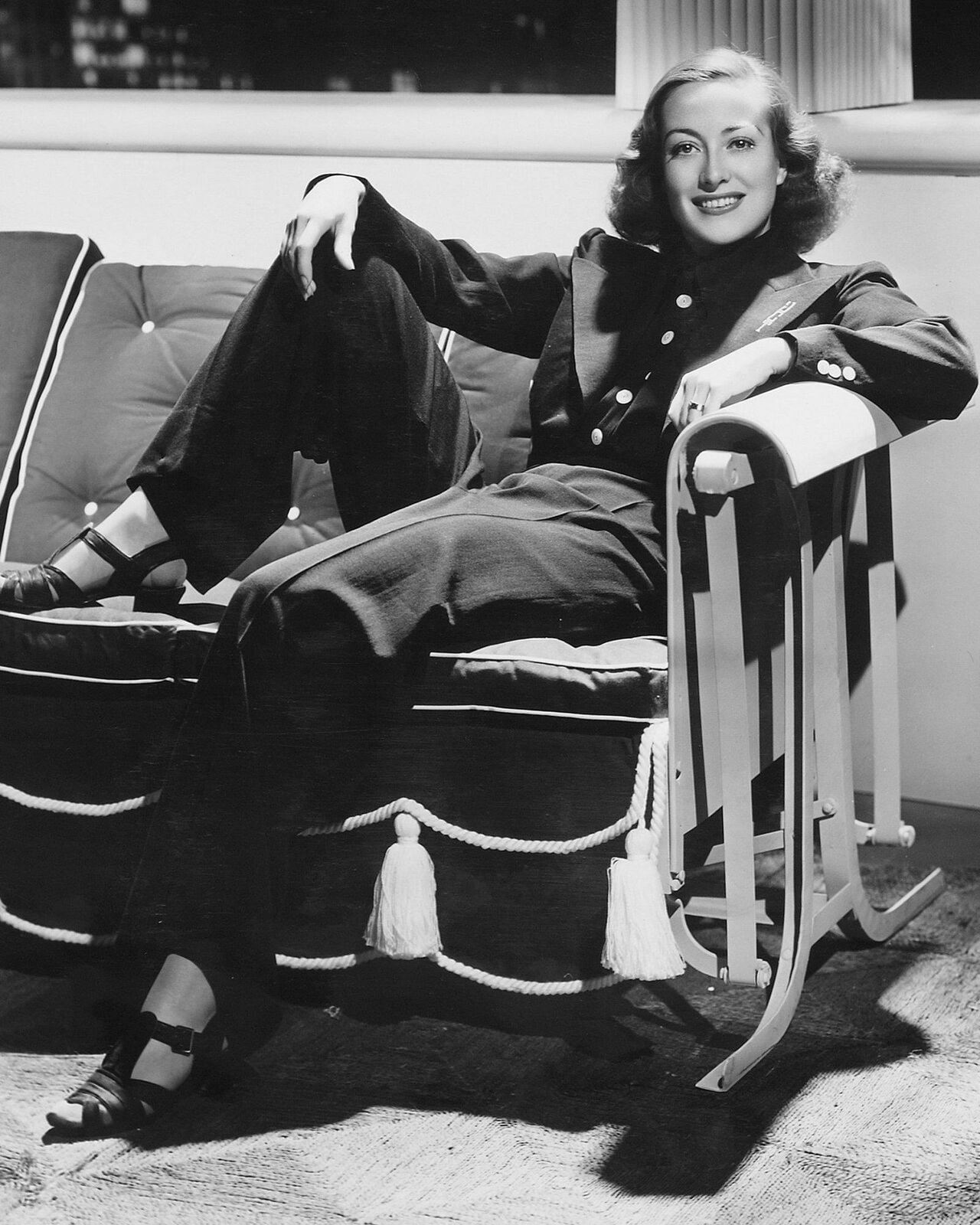
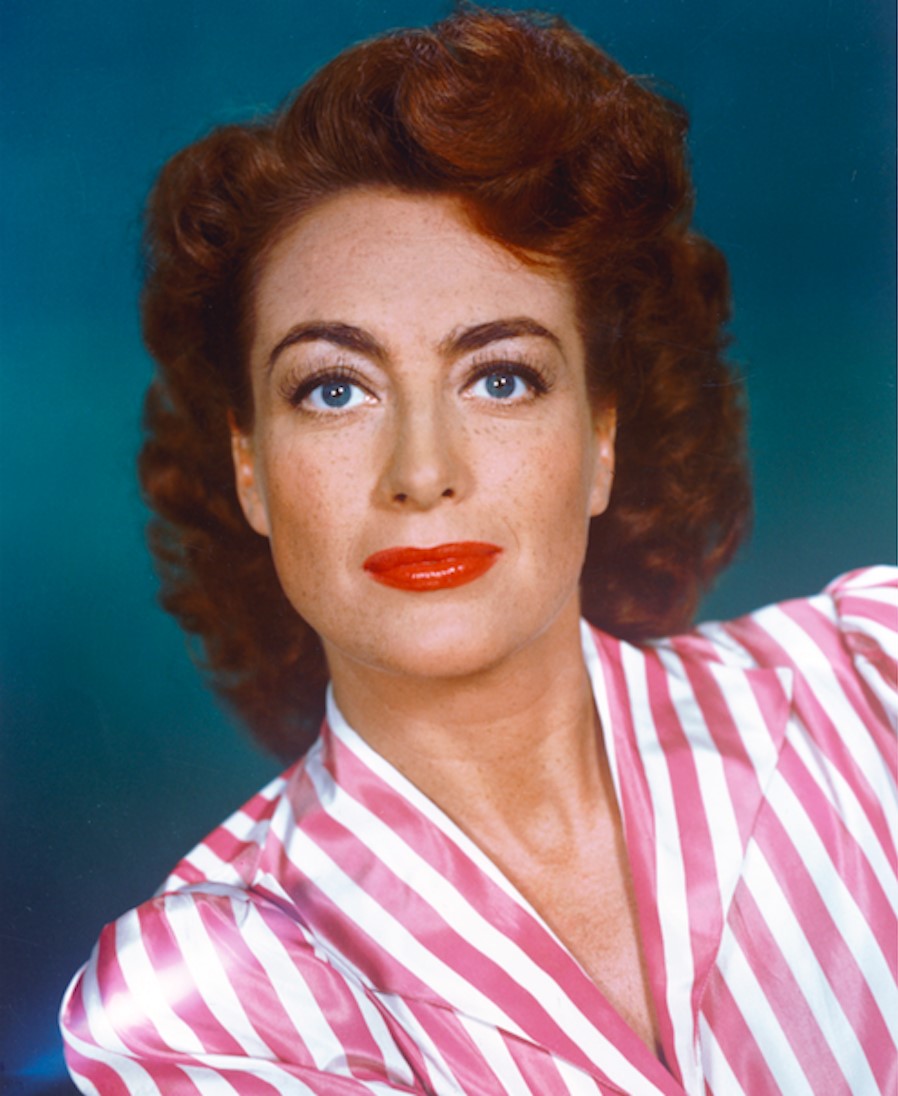
Joan Crawford Photos













comment Responses (0)
Be the first to respond.