
Sally Ann Howes
Personal
Body
About Sally Ann Howes
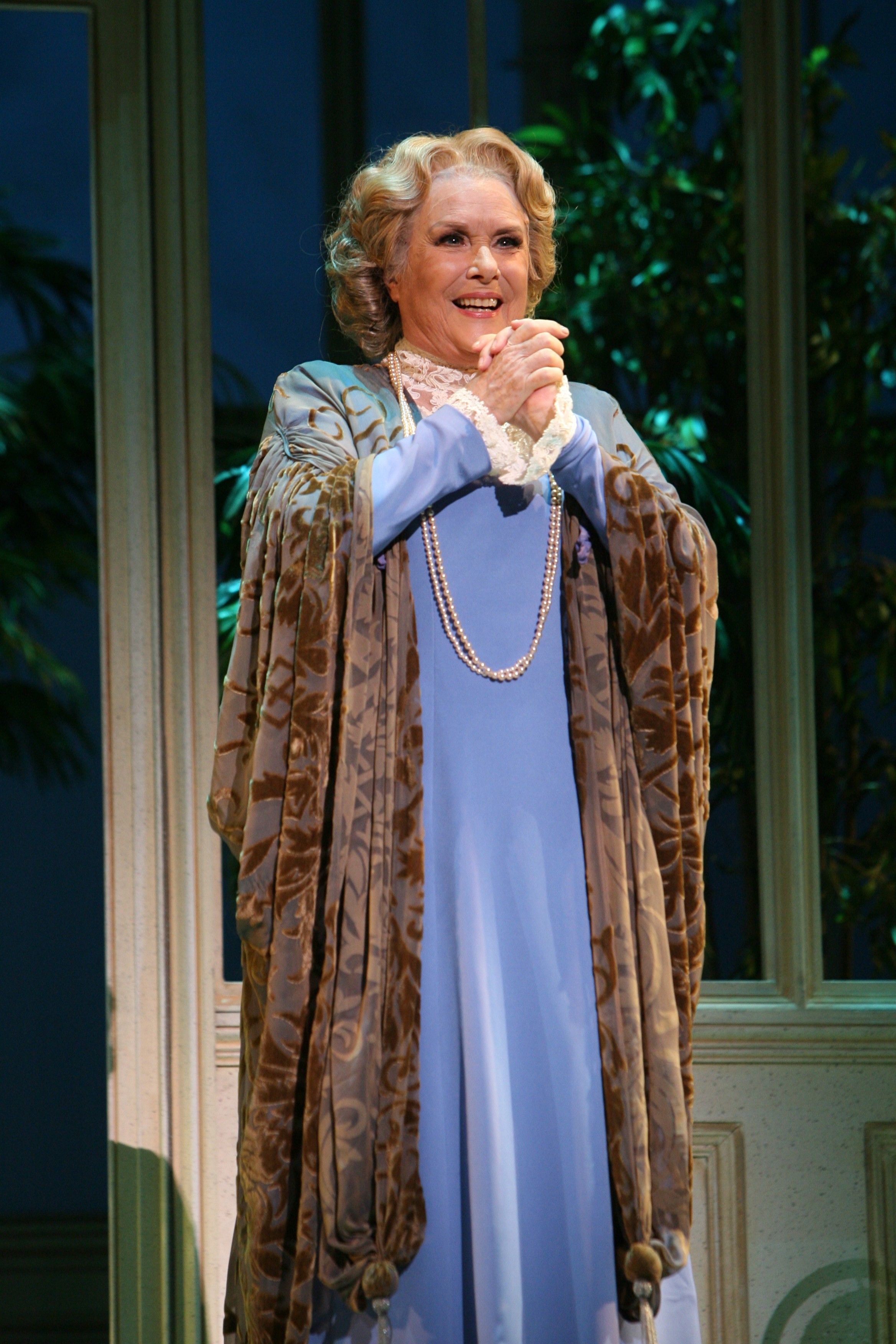
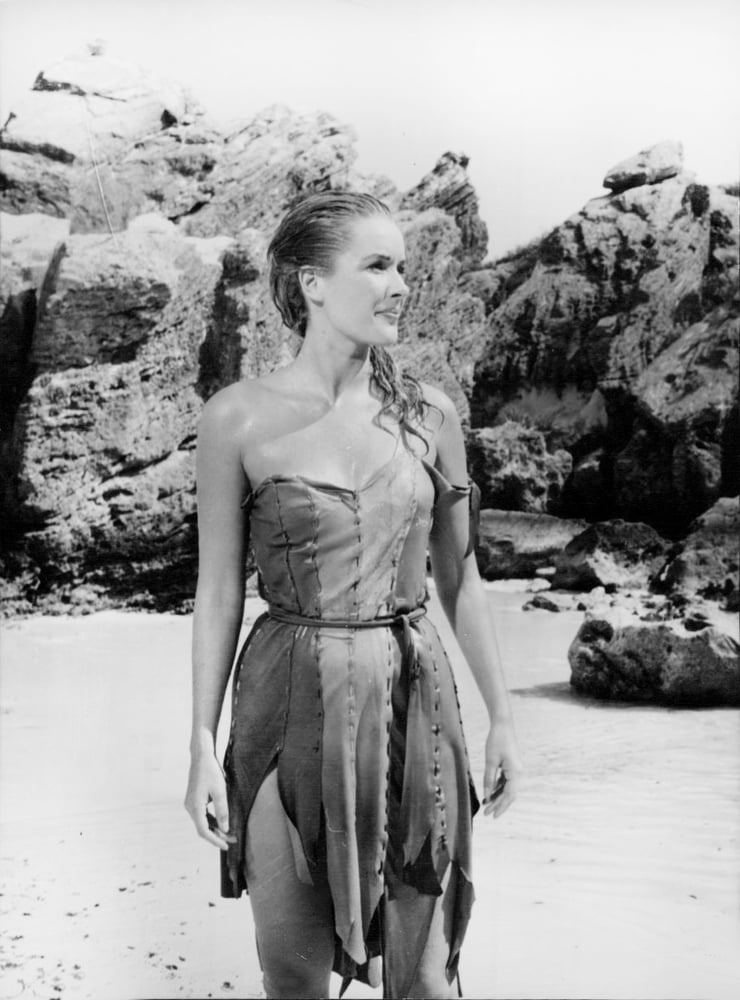
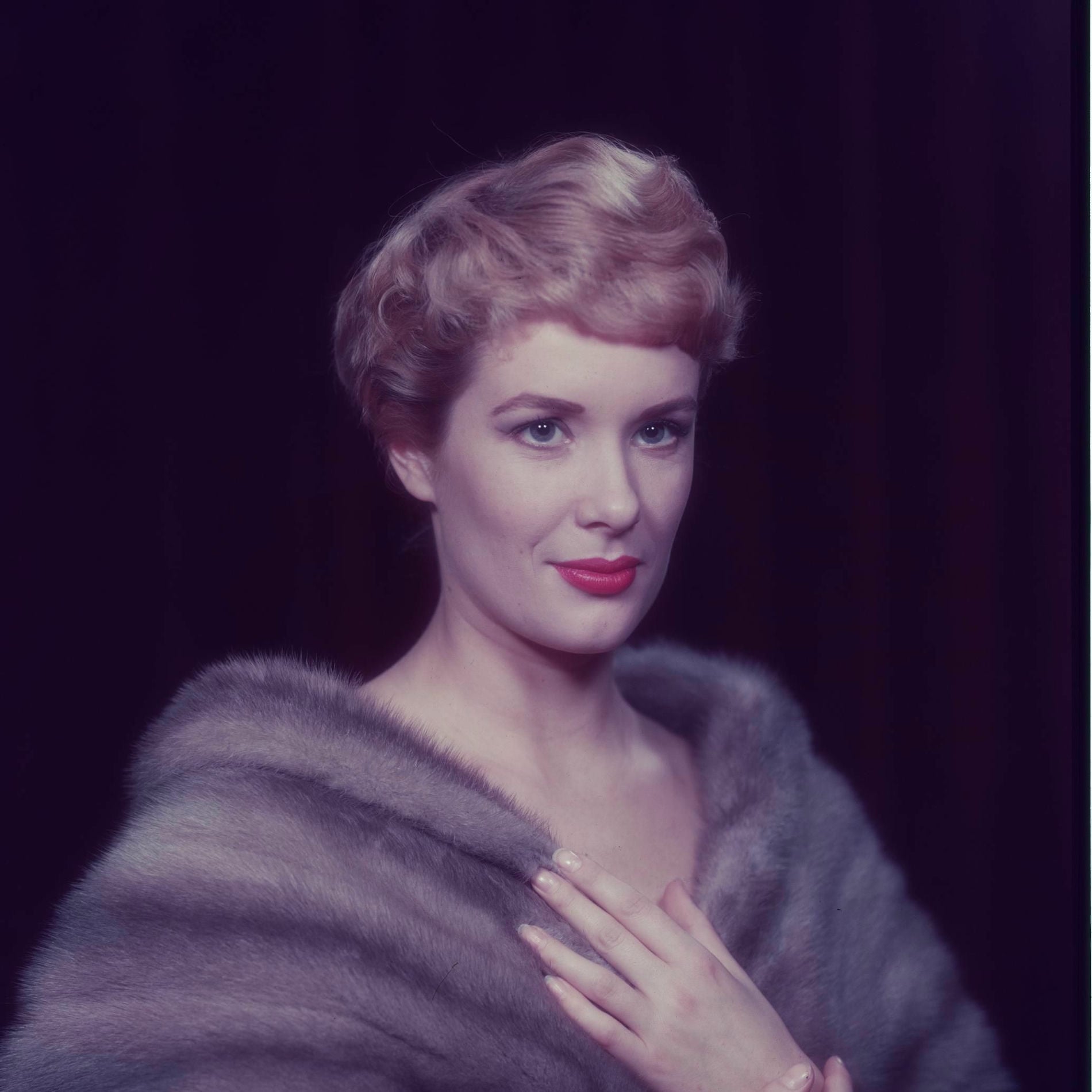
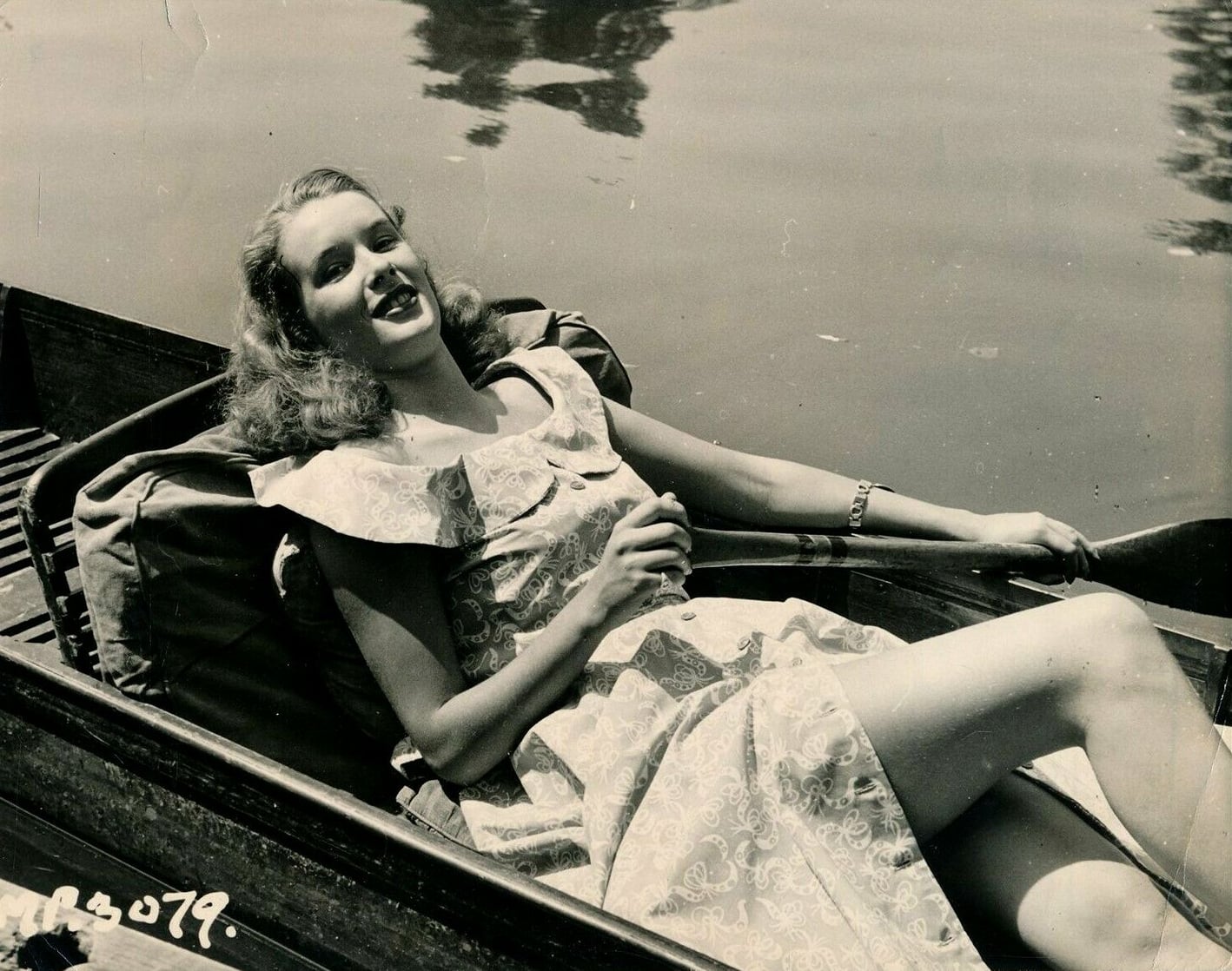
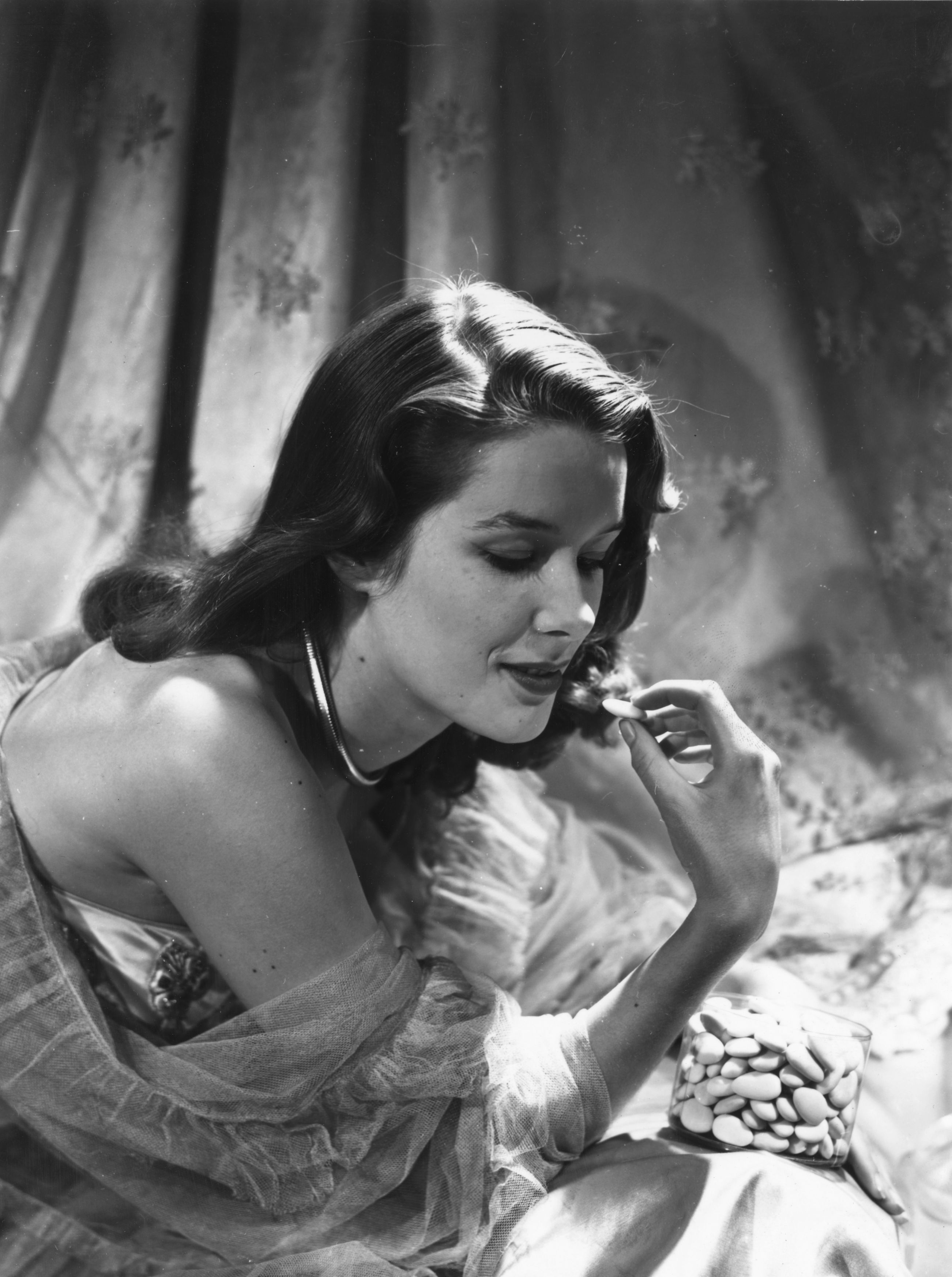
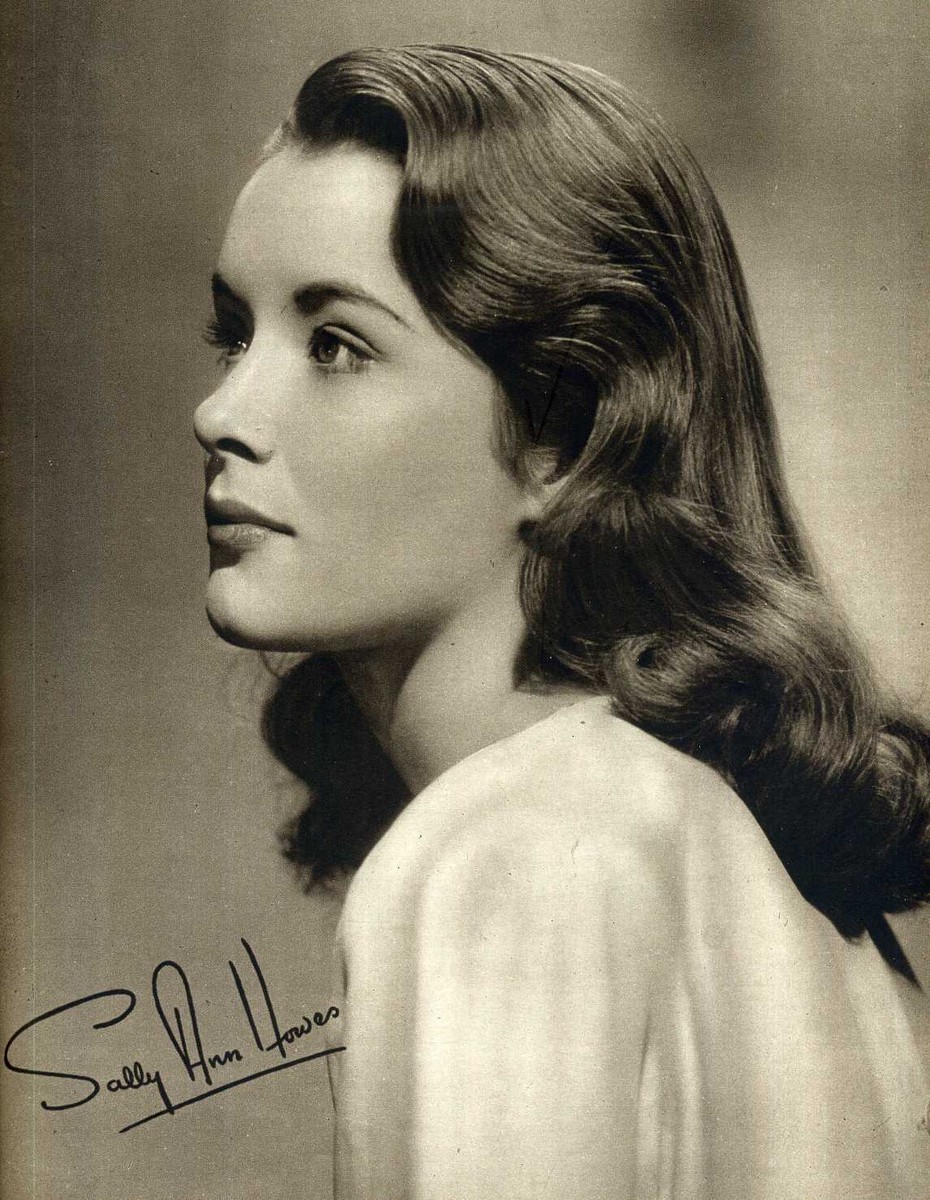
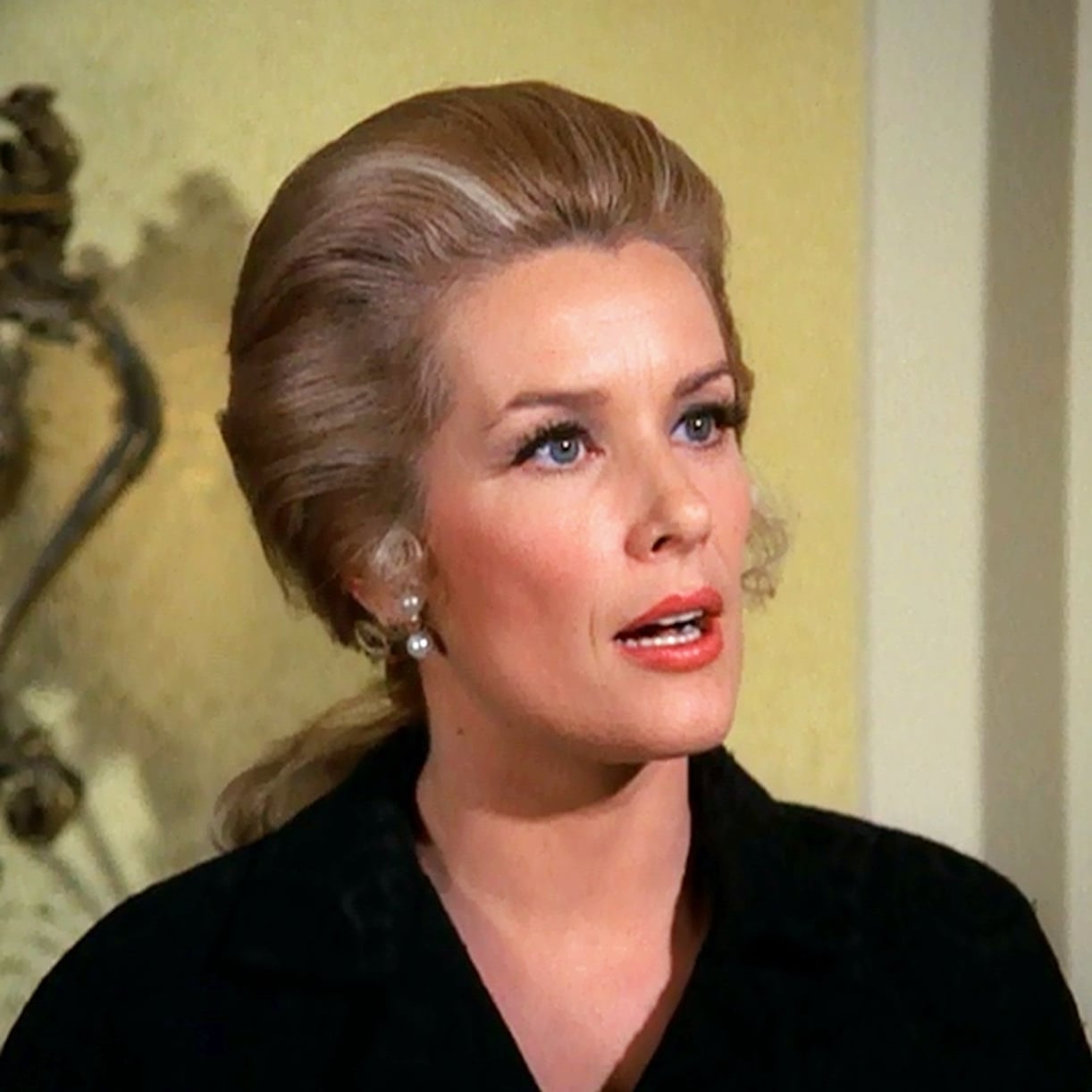
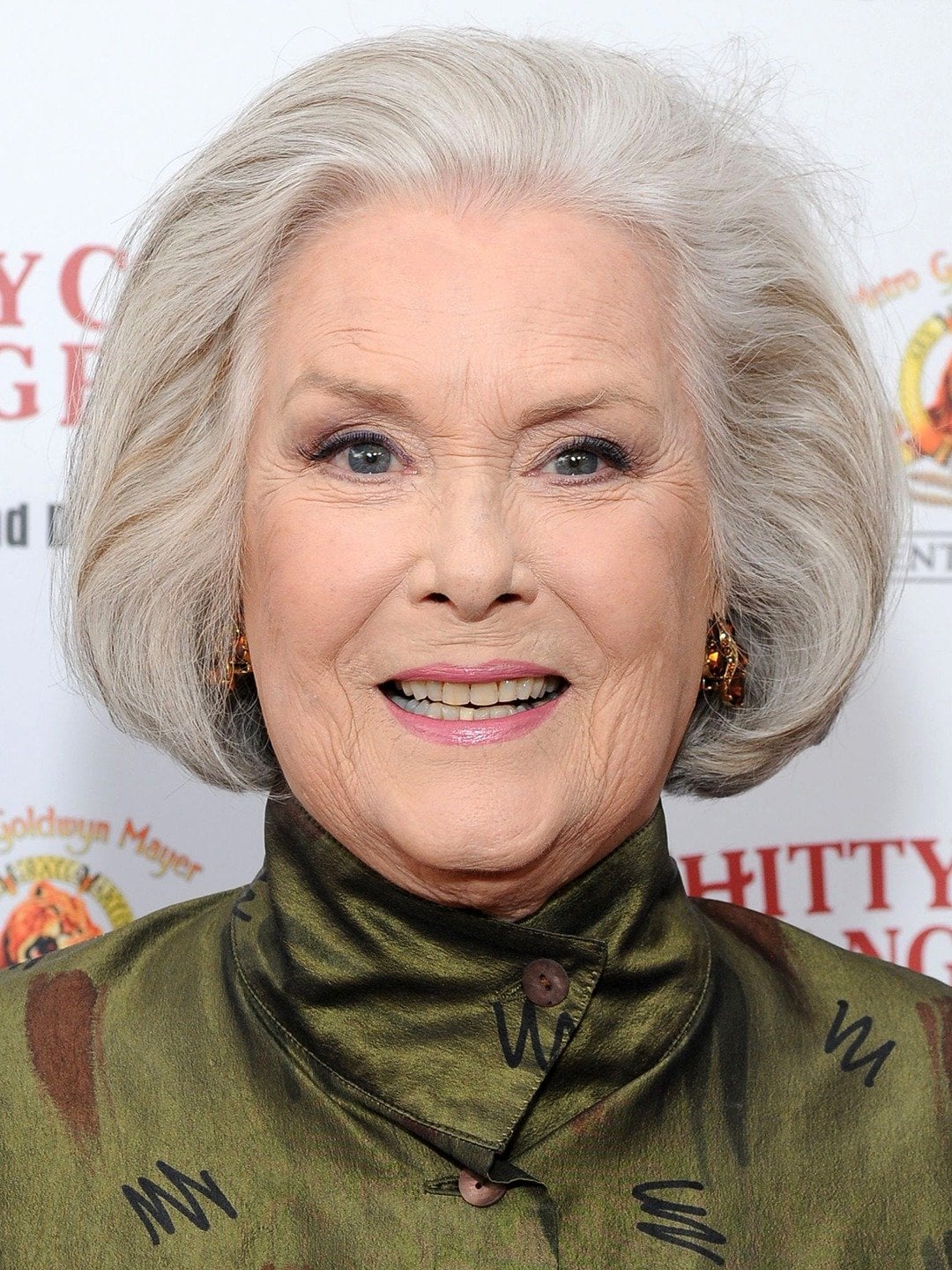
Sally Ann Howes emerged from a theatrical lineage, her father the renowned English entertainer Bobby Howes, her mother Patricia Malone, and her grandfather Captain J.A.E. Malone, a director on Broadway. Her journey in the spotlight began precisely on her twelfth birthday with an initial screen test offer. By her twentieth birthday, she had already amassed a filmography including a notable role in the 1948 rendition of Anna Karenina alongside Vivien Leigh. Her twenties marked a significant shift to the stage, beginning with a starring role in the musical Caprice in Glasgow. This was followed by an eighteen-month engagement in Paint Your Wagon, sharing the stage with her father, Bobby Howes, at Her Majesty's Theatre in 1953. Subsequent theatrical ventures included the plays Romance by Candlelight and A Hatful of Rain, as well as a successful eighteen-month run in the musical Summer Song. Though she continued to appear in films periodically through the 1950s, her passion and primary focus remained the theatre. In 1958, she stepped into the iconic shoes of Eliza Doolittle in the Broadway production of My Fair Lady, a role she had been offered on three prior occasions but was unable to accept due to prior commitments. This pivotal role propelled her to widespread fame in America. Shortly before her debut in My Fair Lady, she married composer Richard Adler, who subsequently penned the musical Gift of the Magi specifically for her, which aired on CBS in December of 1958. Adler later created Kwamina for her, which she performed after her tenure in My Fair Lady. Following a brief run of Kwamina, she returned to Broadway, earning a Tony nomination in 1963 for her performance in Brigadoon. She then starred opposite Steven Lawrence in the well-received musical What Makes Sammy Run. This was followed by a television adaptation of Brigadoon in 1966, a production that garnered seven Emmy Awards, featuring Robert Goulet and Peter Falk. The year 1966 also marked the end of her marriage to Richard Adler. Shortly thereafter, she began filming the cinematic phenomenon Chitty Chitty Bang Bang, released in 1968. Despite her extensive body of work, both before and after this film, she is globally and enduringly celebrated for her portrayal of the delightful Truly Scrumptious. Producer Albert R. Broccoli described her as embodying the ideal of "a typical English beauty," praising her as "one of the finest musical comedy stars today, a rare combination of the right kind of beauty and the right kind of talent." Dick Van Dyke, in his documentary Remembering Chitty Chitty Bang Bang, lauded her casting as Truly Scrumptious, remarking on her "richest contralto" voice and her stunning beauty, noting her genuine warmth and connection with the child actors on set. The filming process spanned fourteen months across England, France, and Bavaria. While critical
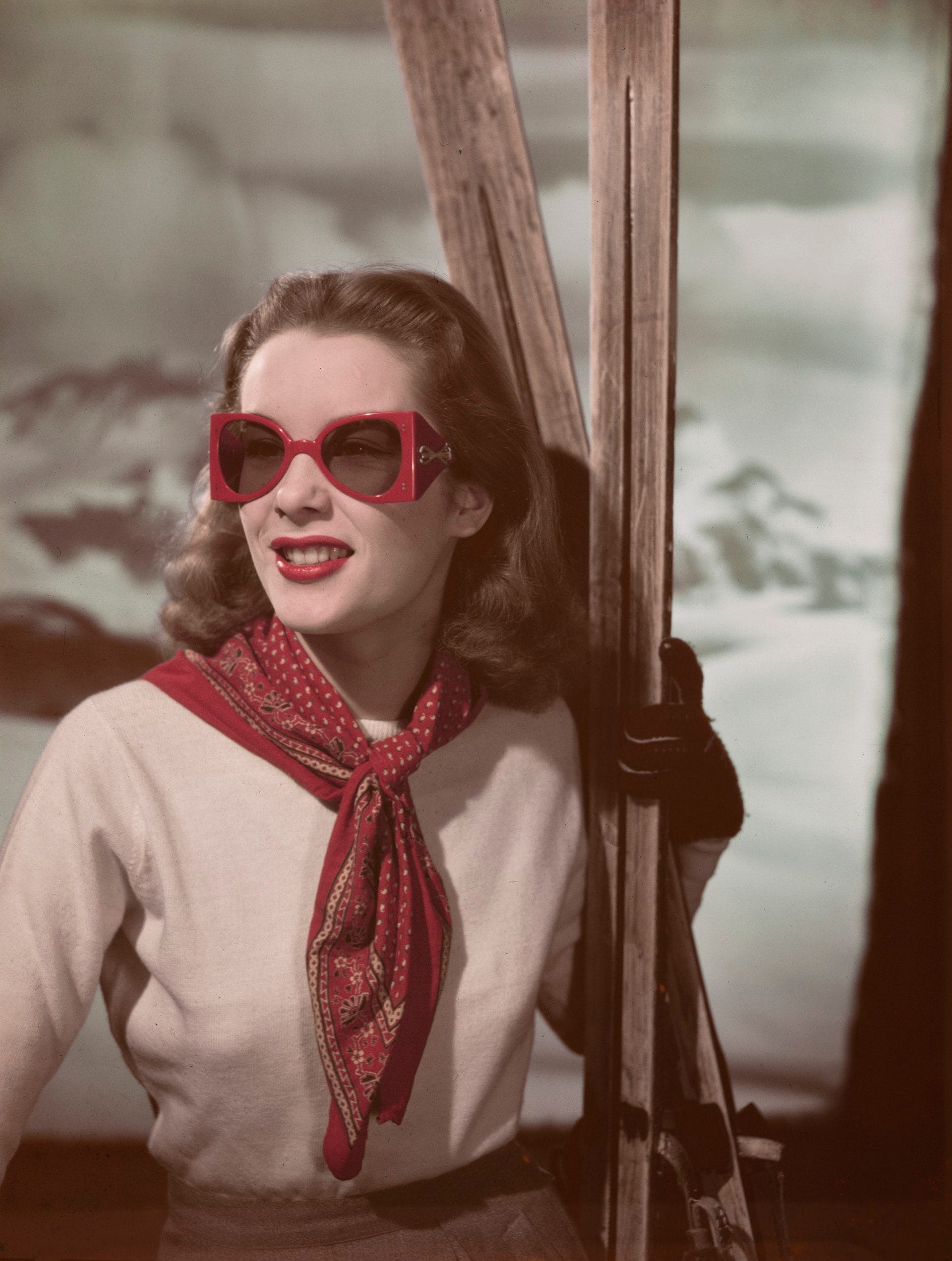
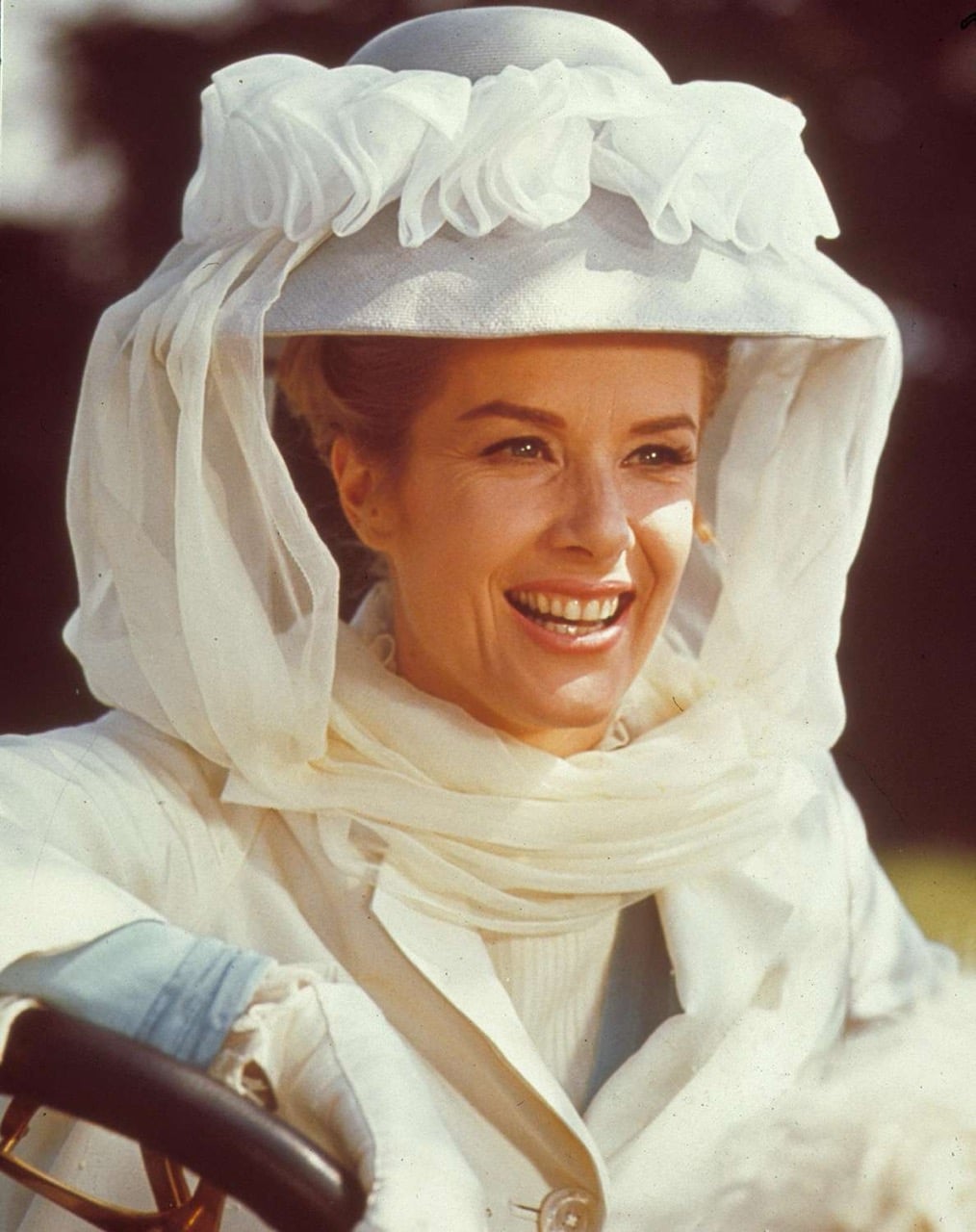
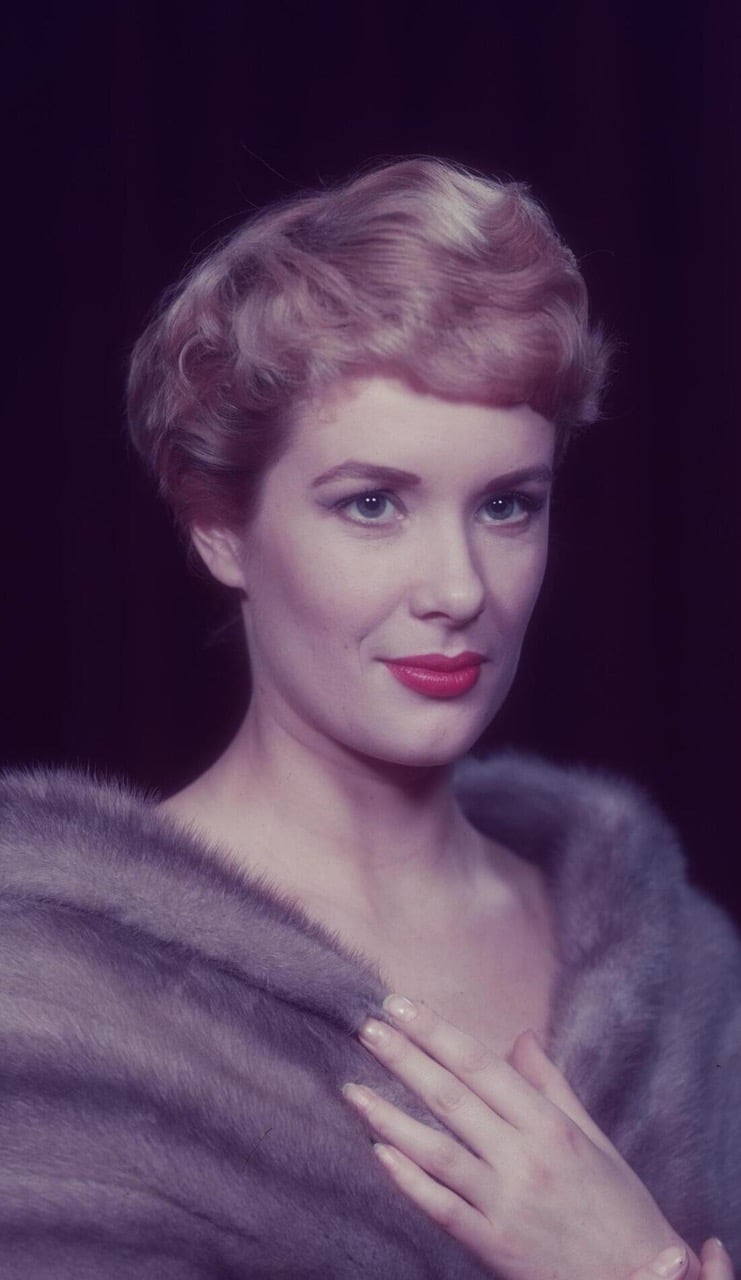
Sally Ann Howes Photos



comment Responses (0)
Be the first to respond.