
Lotte Tarp
Also known as: Ann-Charlotte Tarp
Personal
Body
About Lotte Tarp
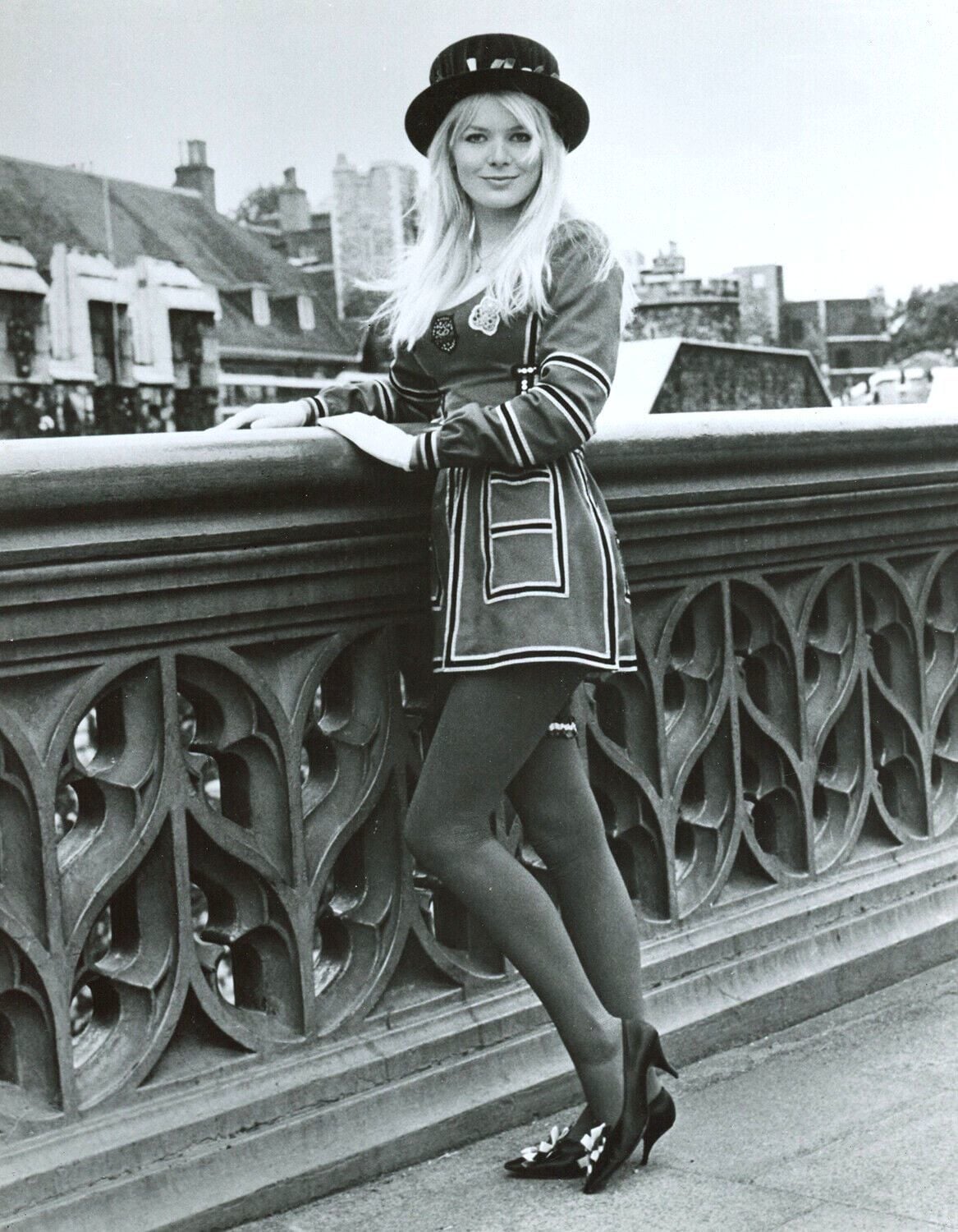
Ann-Charlotte Tarp, known professionally as Lotte Tarp, entered the world on Valentine's Day in 1945 in Århus, Denmark. She pursued careers as both an actress and a writer. Her mother, Åase Gyrithe Tarp (née Rising), was employed as a make-up artist, and her stepfather, Svend Erik Tarp, was a figure in the theatrical world as a stage director and composer. Lotte Tarp's paternal lineage traced back to Wolfgang Haug, a German officer present in Denmark during its occupation. This chapter of her life inspired her book, Det Sku' Nødig Hedde Sig.
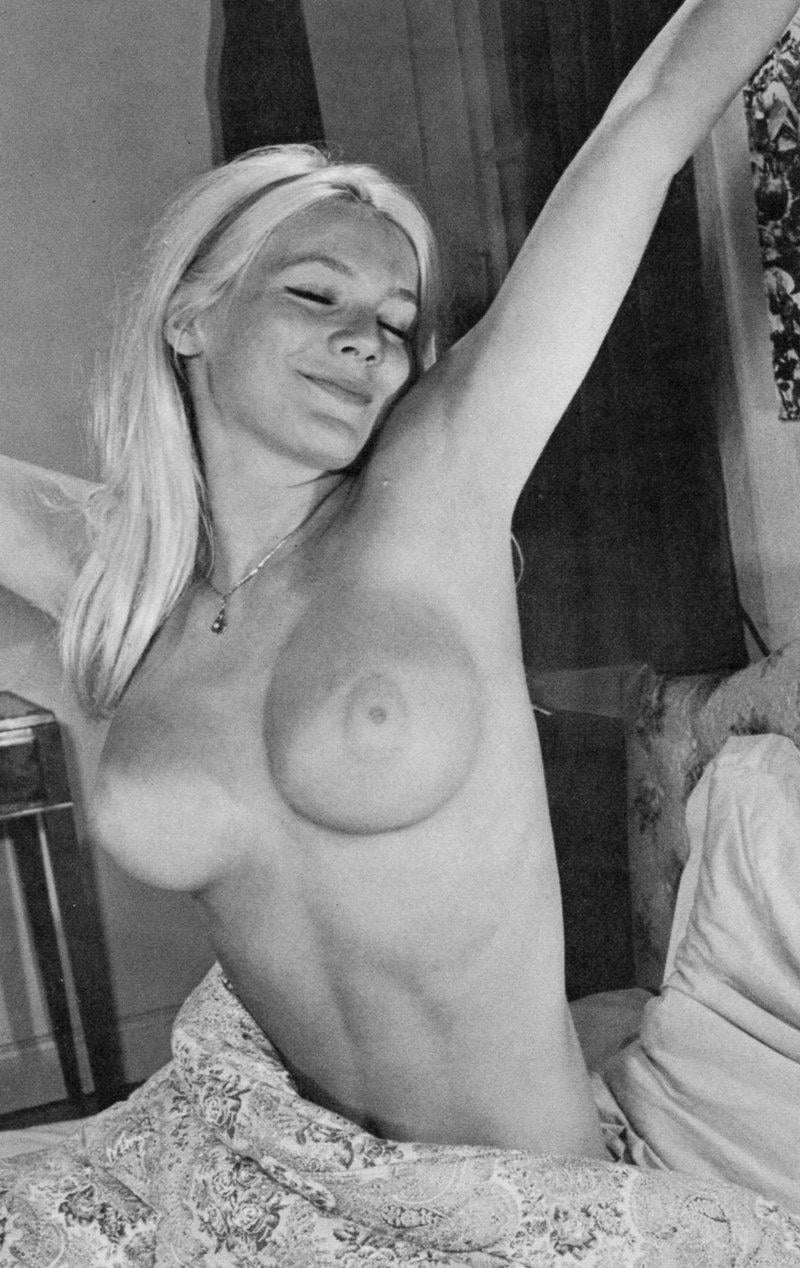
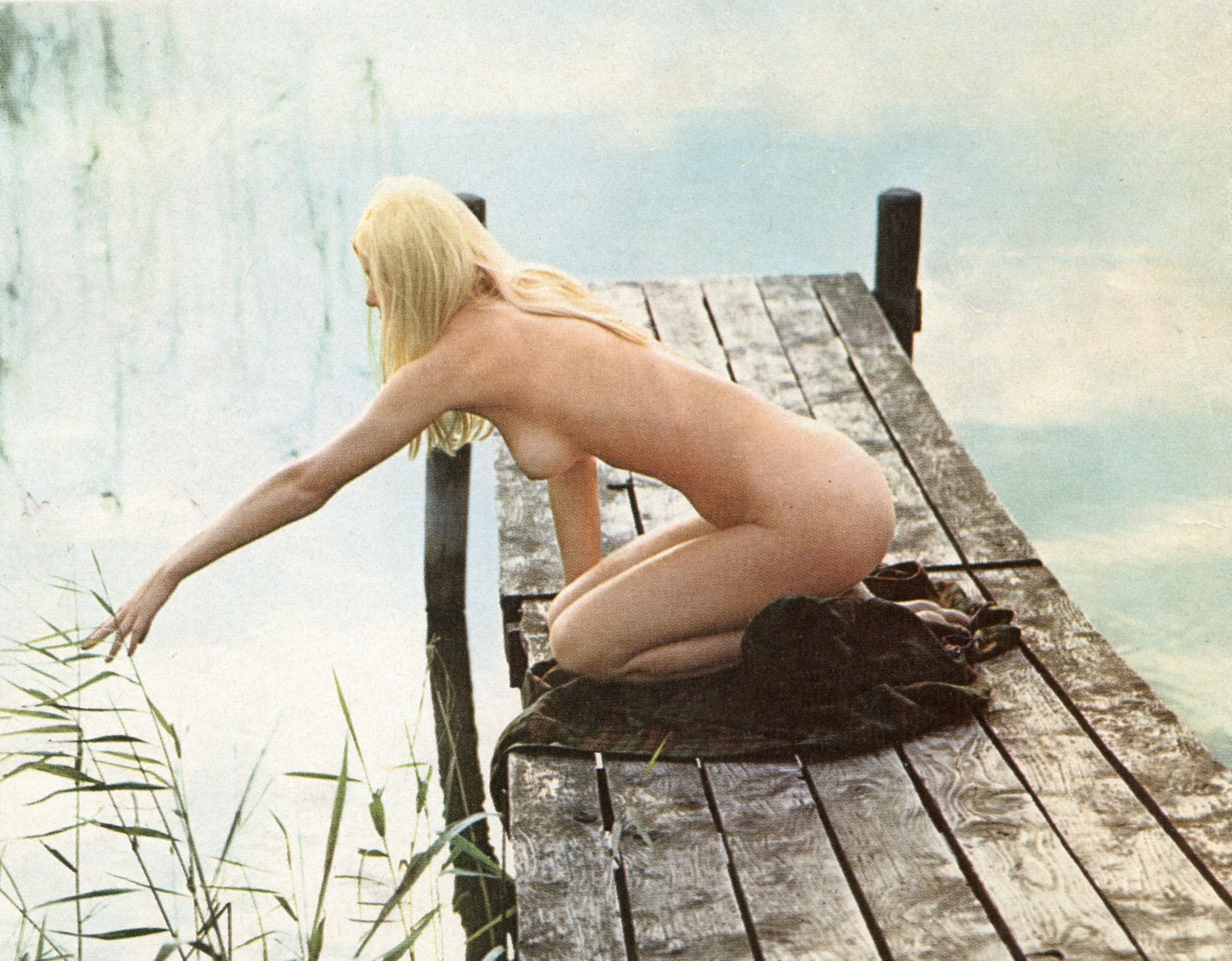
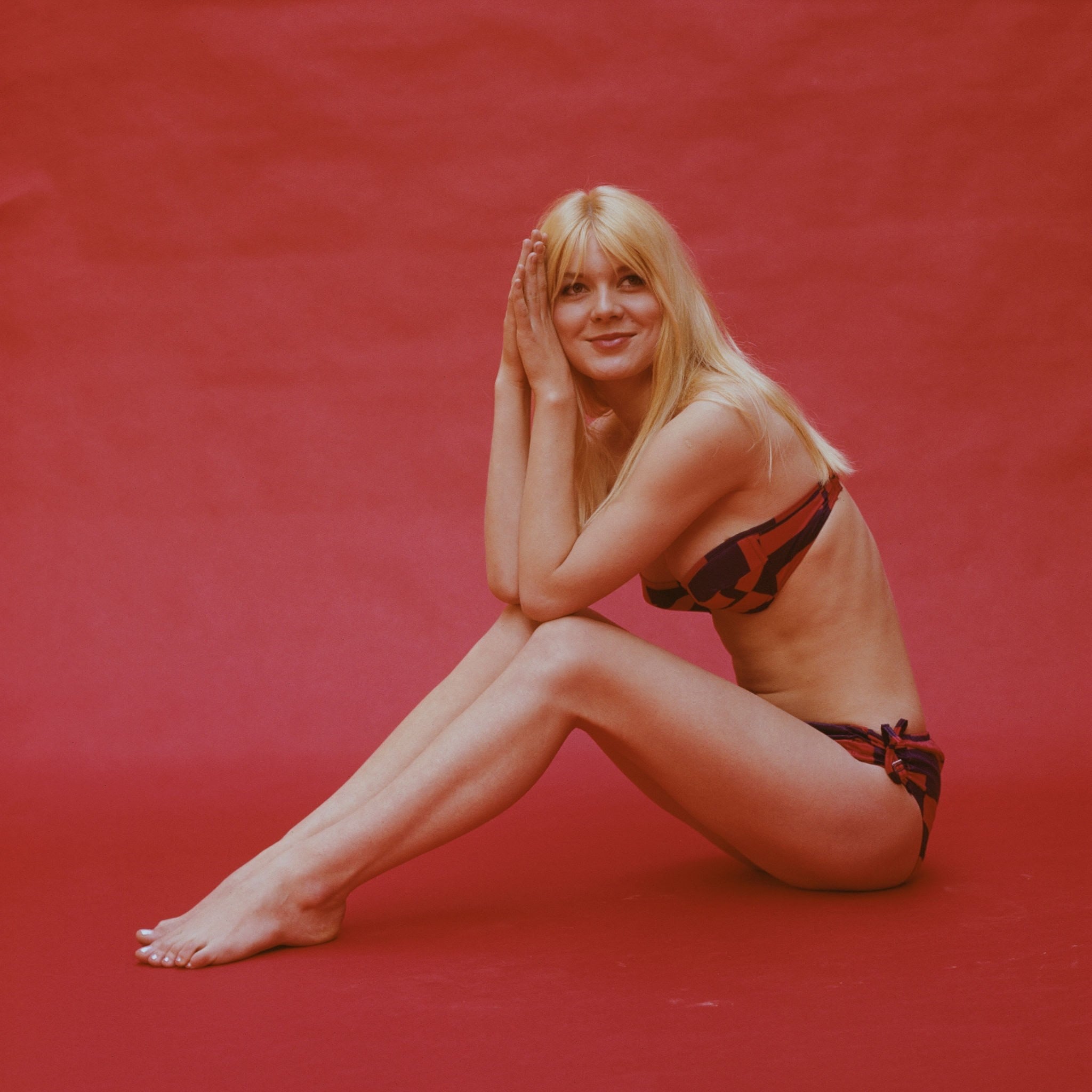
Remarkably, without formal dramatic instruction, Lotte Tarp launched her acting career at sixteen in the notable Danish film "Bocken i paradiset." Her acting work spanned both the stage and the silver screen, where she was frequently cast in roles that highlighted her attractive and shapely blonde persona. Salvador Dalí himself recognized her as a source of inspiration, placing her on a select list of women. In the summer of 1965, photographer Werner Bokelberg facilitated a visit to Dalí's estate in Port Lligat, where a series of photographs led Dalí to revere her as his muse, bestowing upon her the moniker "Ginesta Ophelia." Lotte Tarp's on-screen presence graced 34 feature films and television productions. Her performance in 'Farlige kys' earned her the prestigious Bodil Award for best actress in 1972, a significant honor bestowed by the Danish Film Critics Association.
As the years progressed, Tarp increasingly dedicated her efforts to writing, producing books, plays, and screenplays, with the play Amagertorv 4 being a notable example from the 1980s. From 1990 to 1992, she honed her skills as a screenwriter at the Danish Film School, culminating her studies with the script for the 1993 television film Længe leve friheden. She was a mother to her son, Jacob, from her second marriage.
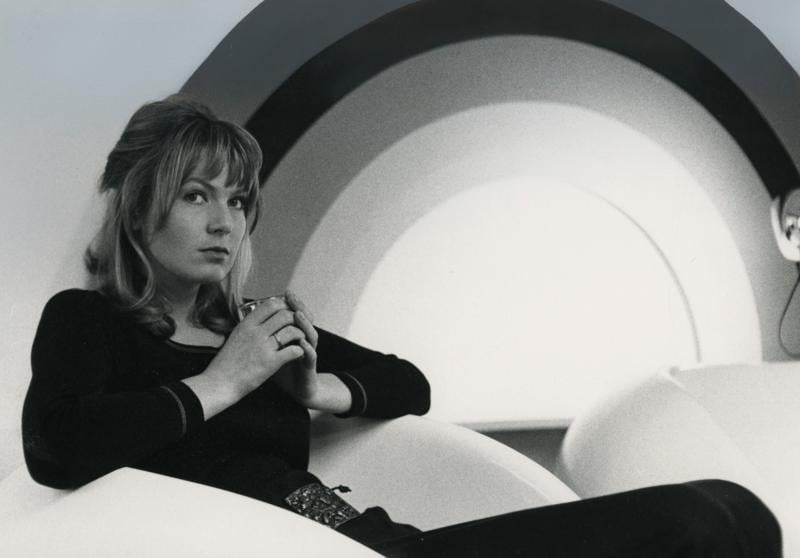
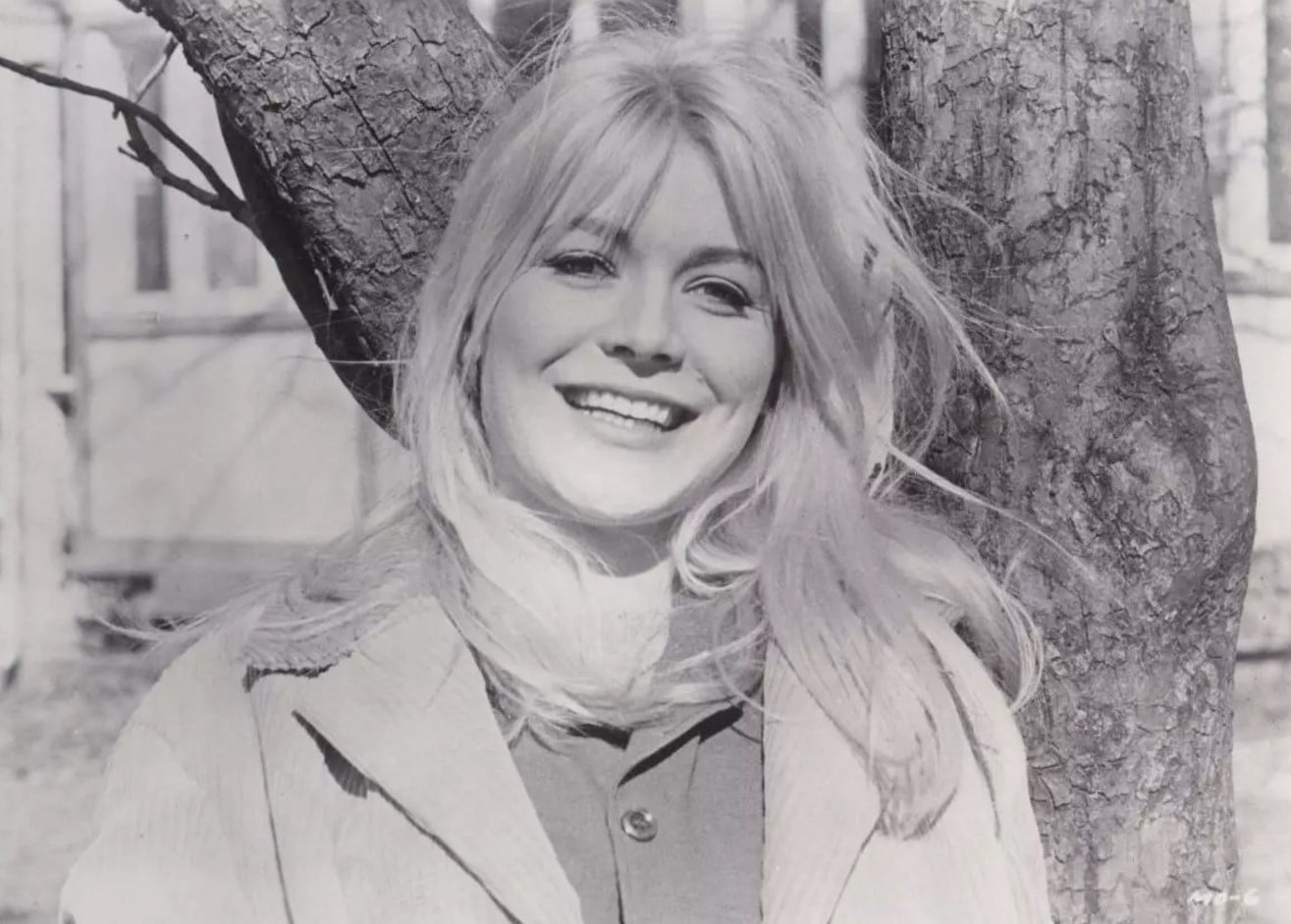
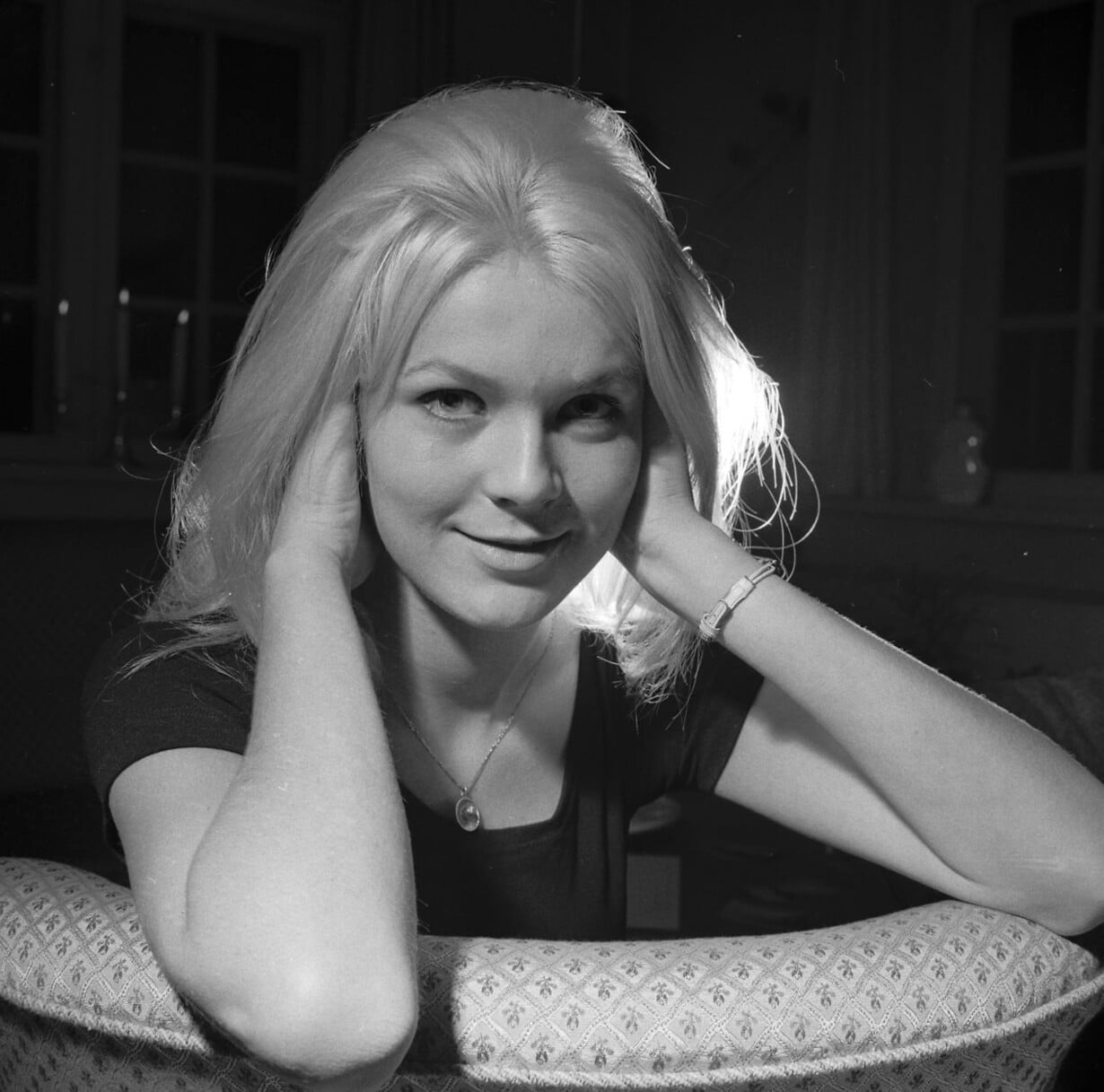
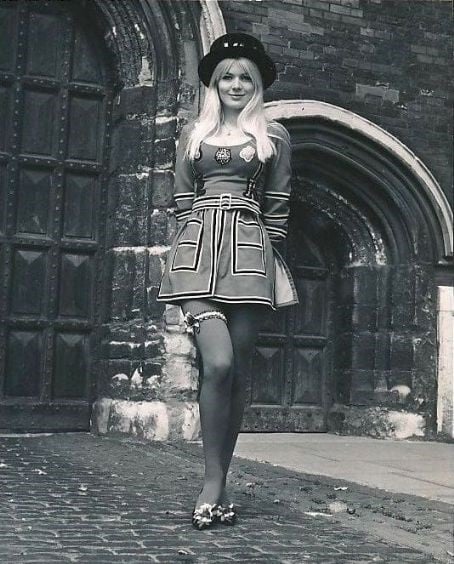
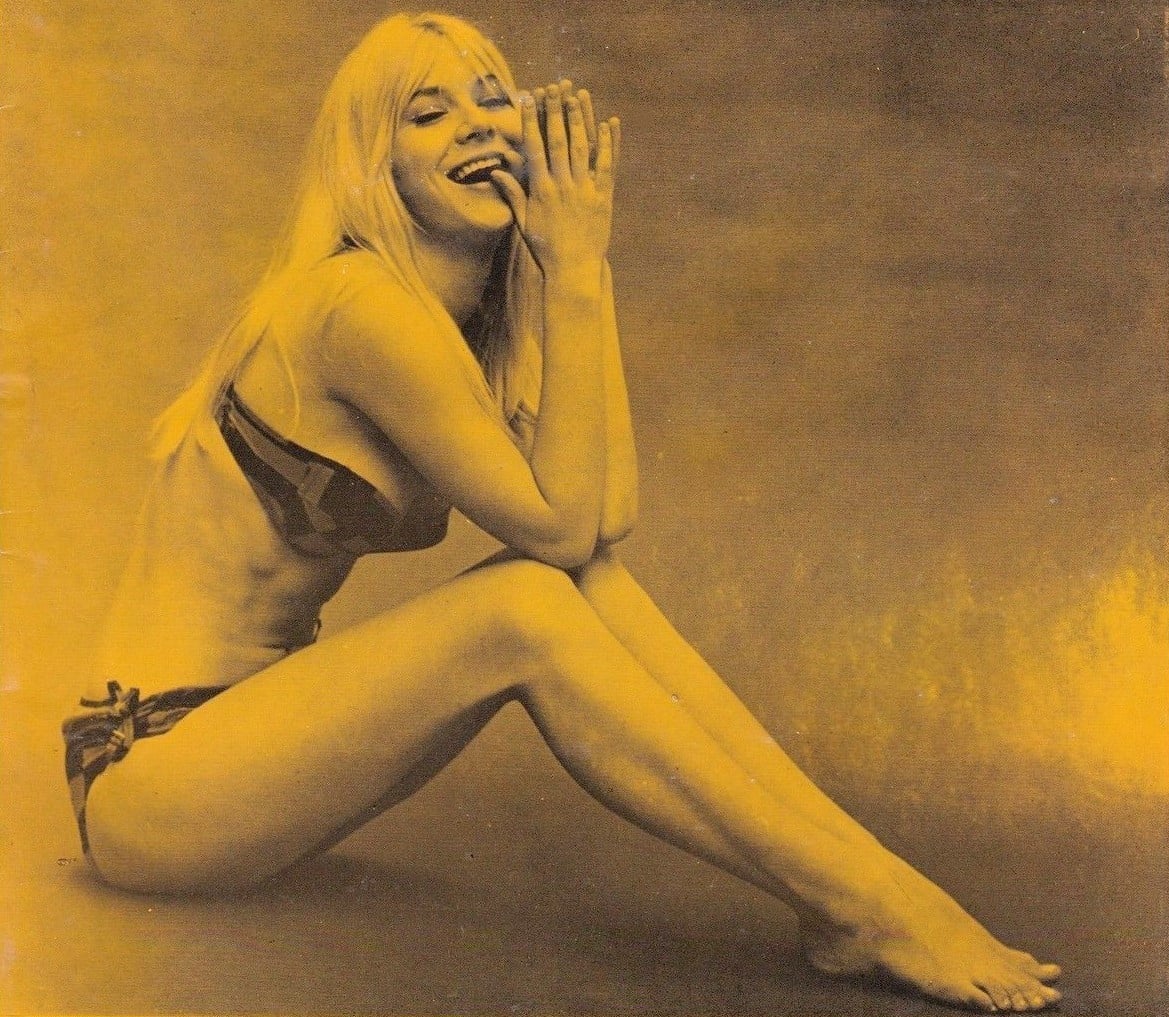
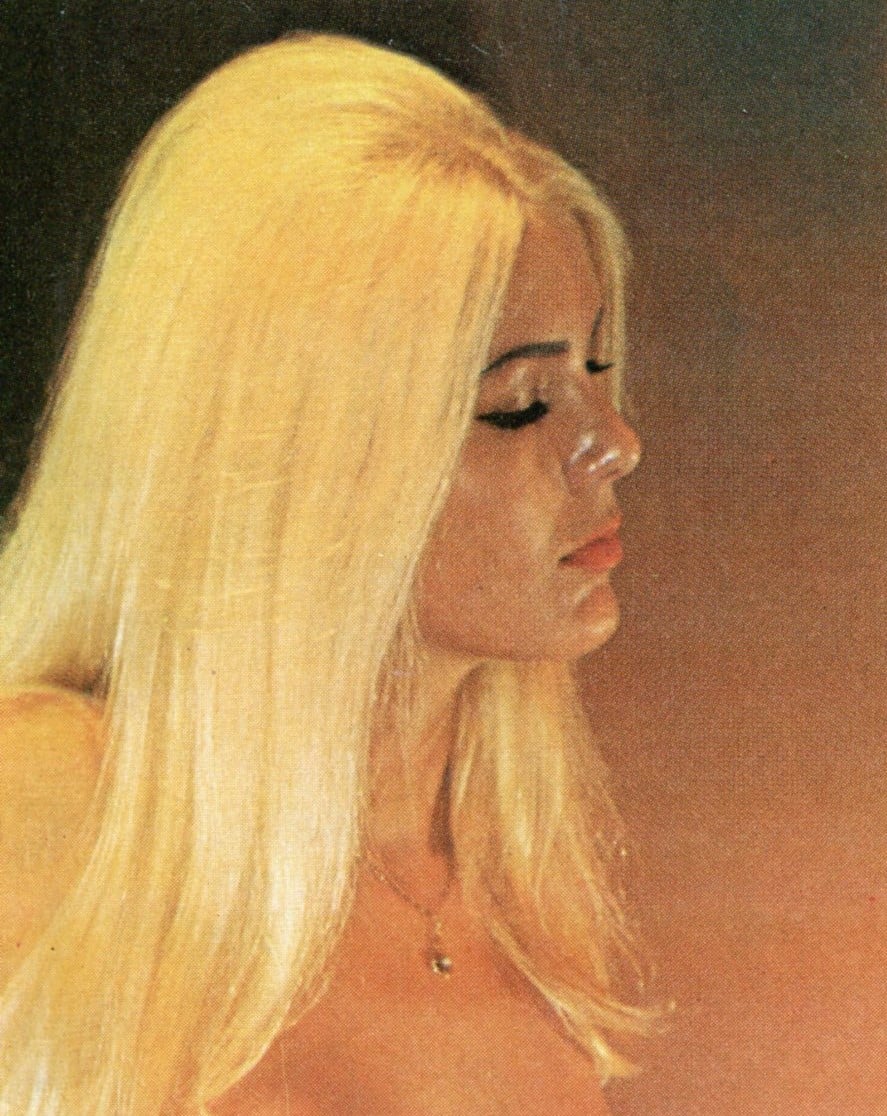
Lotte Tarp Photos












comment Responses (0)
Be the first to respond.